Hair Loss on GLP-1s: Why Shedding Happens and What Helps
Hair shedding during a GLP-1 weight loss program can feel alarming, especially when the medication is otherwise working. In most patients, the issue is not that semaglutide or tirzepatide is directly damaging the hair follicle. The more common pattern is telogen effluvium: a temporary shedding response triggered by rapid weight loss, under-fueling, stress, nutrient gaps, or hormonal shifts. Here is how Devorah thinks through GLP-1-related hair shedding, what labs are worth checking, and when treatments like PRP hair restoration make sense.
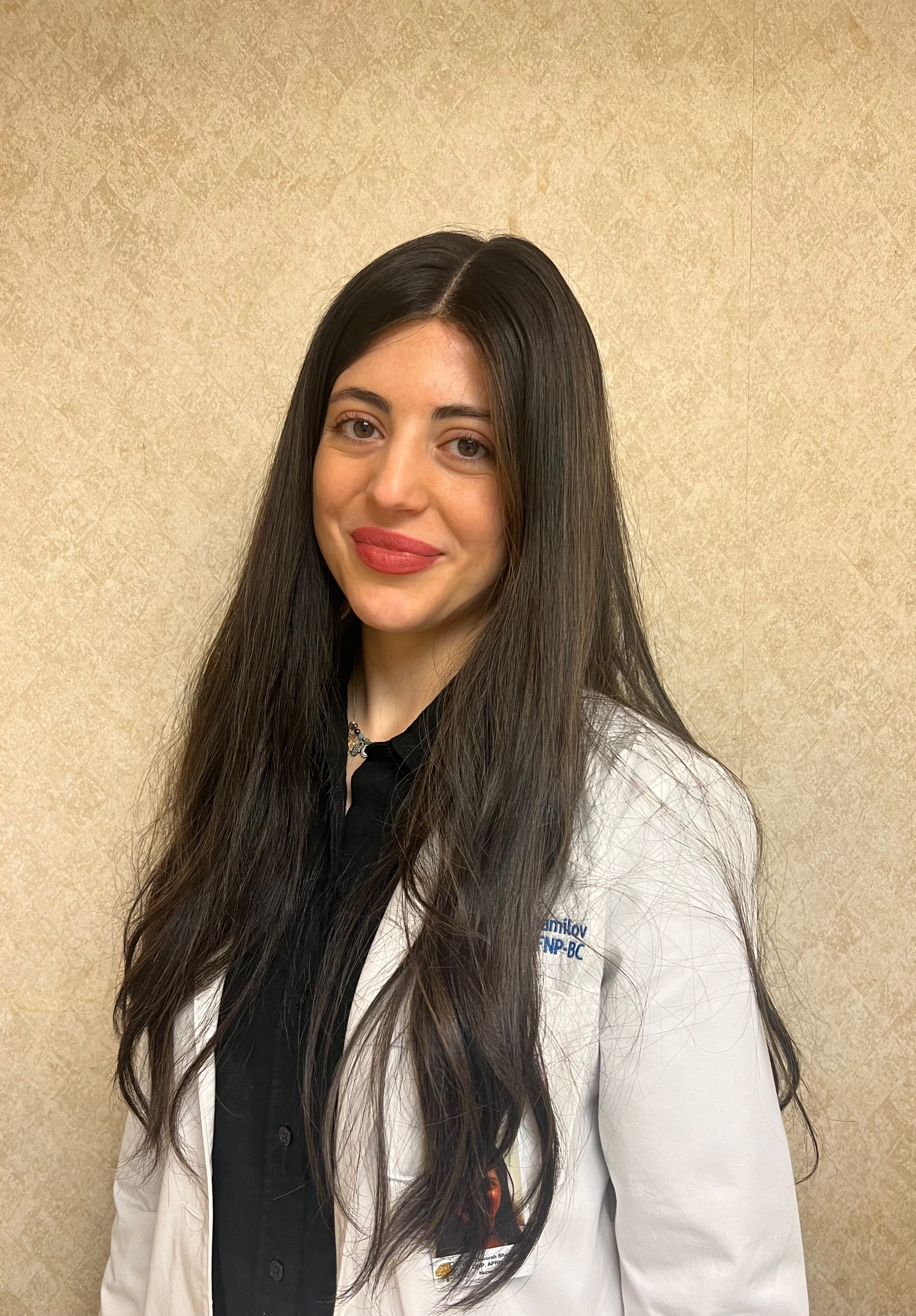
Devorah, DNP, APRN, FNP-BC
Board-Certified Nurse Practitioner · Bee the NP
Why hair shedding can happen during GLP-1 weight loss
Hair follicles cycle through growth (anagen), transition (catagen), rest (telogen), and shedding (exogen). When the body experiences a significant stressor, more follicles can shift from the growth phase into the resting phase at the same time. Two to three months later, those hairs shed. This is called telogen effluvium, and it is one of the most common explanations for diffuse shedding after rapid weight loss, illness, surgery, postpartum hormonal changes, or major stress.
GLP-1 medications can create the conditions for telogen effluvium because they often reduce appetite dramatically. Patients may unintentionally eat too little protein, too few total calories, or too narrow a range of micronutrients. The body prioritizes essential functions over hair growth when intake is low. The medication is not usually the direct cause; the pace of weight loss and the nutritional environment around that weight loss are the bigger drivers.
How to tell telogen effluvium from pattern hair loss
Telogen effluvium typically appears as diffuse shedding: more hair in the shower, on the brush, or on the pillow, often without a single bald patch. The ponytail may feel thinner, and the part may look a little wider, but the pattern is usually all-over shedding. It often begins several months after the trigger because hair follicles need time to move through the resting phase before the shed becomes visible.
Androgenetic alopecia, or pattern hair loss, behaves differently. It tends to show gradual thinning at the crown, temples, or part line and may run in families. GLP-1 weight loss can uncover or accelerate the appearance of underlying pattern hair loss because the overall hair density drops. That distinction matters: telogen effluvium is usually self-limited once the trigger is corrected, while pattern hair loss often needs a longer-term treatment plan.
The labs Devorah considers when shedding starts
Hair shedding should not be dismissed as cosmetic. It can be an early signal that the body is under-fueled, depleted, or hormonally out of balance. Devorah commonly reviews a focused lab picture that may include CBC, ferritin and iron studies, thyroid markers, vitamin D, B12, folate, zinc when appropriate, metabolic markers, and medication history. Ferritin is especially important because iron stores can be low even when hemoglobin is technically normal.
For patients on GLP-1s, the lab conversation also includes intake: how much protein is actually being eaten, whether nausea is limiting food variety, whether constipation is reducing appetite further, and whether weight loss is happening faster than the body can comfortably adapt. The goal is not to order every possible test. The goal is to identify correctable drivers before the shedding becomes prolonged.
Protein, calories, and micronutrients matter more than hair gummies
Most hair supplement marketing jumps straight to biotin, but biotin deficiency is uncommon. A hair gummy will not fix shedding driven by low protein, low iron stores, thyroid dysfunction, or a medication titration that has pushed appetite too low. Hair is protein-intensive tissue. If total intake drops sharply during GLP-1 treatment, hair growth is one of the first nonessential processes the body may pause.
Devorah typically prioritizes protein consistency, adequate total calories, and nutrient density before adding supplements. Many patients need practical changes: protein at the first meal of the day, easy high-protein foods during nausea-prone periods, hydration and electrolytes, and resistance training to protect lean mass. When labs show a deficiency, targeted repletion is appropriate. When labs are already optimal, more supplements are not automatically better.
Should the GLP-1 dose be changed?
Sometimes the right answer is not to stop the medication, but to slow the program down. If a patient is losing weight very rapidly, struggling to meet protein targets, or having persistent nausea, Devorah may consider holding a dose longer, slowing titration, adjusting timing, or addressing side effects before escalating. The healthiest GLP-1 result is not the fastest possible loss; it is fat loss that preserves muscle, nutrition, energy, and hair density as much as possible.
Medication changes depend on the full picture: starting weight, current dose, rate of loss, side effects, lab findings, and the patient's goals. A patient losing steadily with mild temporary shedding may simply need nutrition support and monitoring. A patient with severe restriction, dizziness, marked fatigue, or rapid shedding deserves a more careful reassessment.
Where PRP hair restoration fits
PRP hair restoration can be helpful when shedding reveals underlying pattern hair loss, when density has not recovered after the trigger is corrected, or when a patient wants to actively support follicle recovery. PRP uses concentrated platelets from your own blood to deliver growth factors around the hair follicle. The goal is to improve follicle signaling, hair shaft thickness, and density over time.
PRP is not a substitute for correcting low ferritin, low protein intake, thyroid imbalance, or rapid under-fueling. It works best when the internal environment is being addressed at the same time. For many GLP-1 patients, the strongest approach is integrated: stabilize nutrition and labs, adjust the weight loss plan if needed, and use PRP when the pattern and timeline suggest the follicles need additional regenerative support.
What recovery usually looks like
With telogen effluvium, shedding often slows once the trigger is corrected, but regrowth takes patience. Hair grows slowly, and visible density recovery may take three to six months or longer. The first sign of improvement is often less hair coming out in the shower rather than immediate visible fullness.
The most important step is not panic. Stopping a medication abruptly or adding a stack of supplements without understanding the trigger can create more confusion. Devorah's approach is systematic: identify the shedding pattern, review the GLP-1 timeline, check the labs that actually change the plan, correct nutritional gaps, and decide whether PRP or other hair therapies are appropriate for your specific situation.
Key takeaways
- GLP-1 hair shedding is most often telogen effluvium from rapid weight loss or under-fueling, not direct follicle damage
- Diffuse shedding usually starts two to three months after the trigger
- Ferritin, thyroid markers, vitamin D, B12, folate, CBC, and protein intake can all matter
- Protein consistency and adequate calories are more important than generic hair gummies
- Slower titration or dose adjustments may help when appetite suppression is too strong
- PRP hair restoration works best when nutrition, labs, and the GLP-1 plan are addressed together
Talk to Devorah
Free 15-minute discovery consult. No obligation, just real answers to your questions.
Book free consultRelated services
Related guides
Free consultation
Ready to take the next step?
Book a free 15-minute discovery consult with Devorah and get a personalized plan, not a generic recommendation.