How PRP Works: The Science Behind Platelet-Rich Plasma for Skin and Hair
PRP (platelet-rich plasma) has become one of the most discussed treatments in medical aesthetics and regenerative medicine. It is also one of the most misunderstood. Some providers market it as magical. Some skeptics dismiss it as overpriced blood. The reality, supported by a growing body of clinical evidence, sits between those extremes. Here is what PRP actually is and what the science says about why it works.
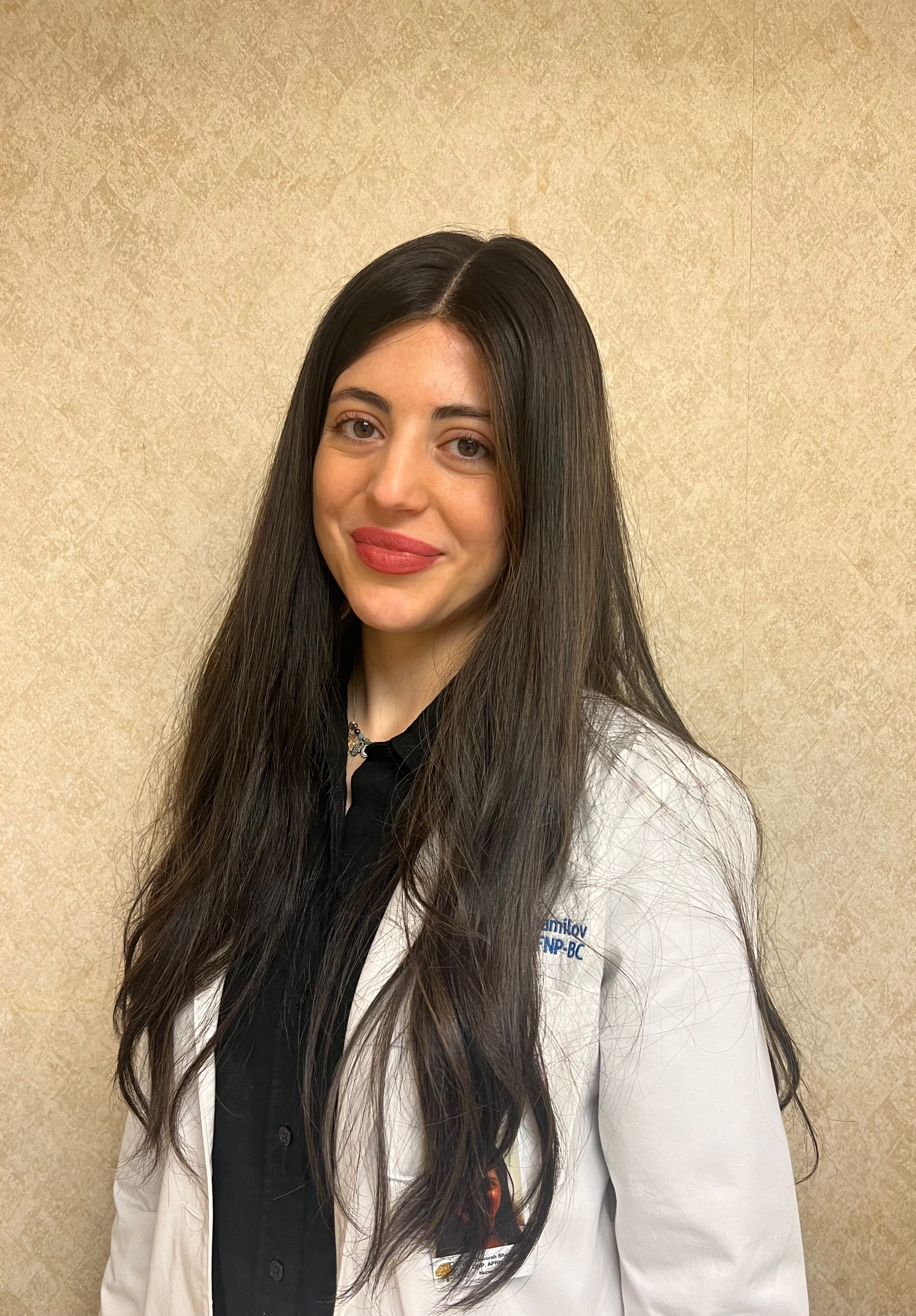
Devorah, DNP, APRN, FNP-BC
Board-Certified Nurse Practitioner · Bee the NP
What is PRP and how is it made?
Platelet-rich plasma is derived from your own blood. A small sample (typically 20–30mL, about two tablespoons) is drawn and placed in a centrifuge, which spins at high speed to separate blood components by density. Red blood cells settle to the bottom. Above them sits the 'buffy coat' containing white blood cells and platelets. Above that is platelet-poor plasma (PPP). The platelet-rich layer, containing 3–7 times the normal concentration of platelets found in whole blood, is collected and used for injection or topical application during microneedling.
Quality PRP preparation matters significantly. The platelet concentration, the activation method (some protocols add calcium chloride or thrombin to activate platelet degranulation; others rely on wound contact), and the leukocyte content (white blood cells present or absent) all affect the growth factor profile and clinical outcomes. Devorah uses a validated centrifugation protocol to ensure consistent, therapeutically effective PRP.
What are growth factors and what do they do?
Platelets are small cell fragments best known for their role in blood clotting, but they also carry an array of bioactive proteins called growth factors, stored in granules that are released when platelets activate. The key growth factors in PRP relevant to skin and hair include: PDGF (platelet-derived growth factor), which recruits repair cells and stimulates collagen-producing fibroblasts; VEGF (vascular endothelial growth factor), which promotes new blood vessel formation (angiogenesis) to improve tissue nutrition; EGF (epidermal growth factor), which stimulates skin cell proliferation and differentiation; TGF-β (transforming growth factor beta), which regulates collagen synthesis and remodeling; and IGF-1 (insulin-like growth factor-1), which signals hair follicles to enter the active growth phase.
These growth factors are released in a coordinated cascade when PRP contacts damaged or treated tissue, mimicking and amplifying the body's natural healing response. The key insight is that PRP doesn't introduce foreign substances: it delivers your own biology at an amplified concentration.
What does the evidence show for skin rejuvenation?
Multiple systematic reviews and randomized controlled trials support PRP's effectiveness for skin rejuvenation, particularly when combined with microneedling. A 2019 systematic review in Dermatologic Surgery found that PRP combined with microneedling produced significantly better outcomes for acne scarring than microneedling alone across multiple studies. Improvements in skin texture, pore size, fine lines, and overall luminosity are consistently reported in the literature.
The mechanism is well understood: microneedling creates controlled micro-injuries that trigger the wound healing cascade and open micro-channels in the skin. PRP applied simultaneously penetrates up to 1000× deeper than topical application and floods the tissue with growth factors that accelerate healing, stimulate fibroblast activity, and initiate new collagen and elastin synthesis. The results develop gradually. Collagen remodeling continues for 3–6 months after each treatment, which is why a series of 3 sessions spaced 4–6 weeks apart produces the most significant outcomes.
What does the evidence show for hair restoration?
PRP for androgenetic alopecia (pattern hair loss) has accumulated strong clinical evidence. A 2019 meta-analysis in Aesthetic Plastic Surgery reviewing 11 randomized controlled trials found statistically significant improvements in hair count, hair density, and hair shaft diameter following PRP scalp injections compared to placebo. A 2020 review in Dermatologic Surgery confirmed these findings across multiple populations.
The mechanism in hair follicles is particularly compelling: IGF-1 and PDGF in PRP directly signal dermal papilla cells, the master regulators of hair follicle cycling, to shift dormant (telogen) follicles back into the active growth phase (anagen). VEGF promotes new capillary formation around follicles, improving their nutritional supply. The result is reduced shedding, thicker existing hairs, and gradual density recovery in areas with surviving (though dormant) follicles. PRP is most effective in early-to-moderate hair loss where follicles still exist but have miniaturized.
How many PRP sessions do you need?
For both skin and hair, clinical evidence supports a series approach over a single treatment. For skin rejuvenation, 3 sessions spaced 4–6 weeks apart is the standard initial protocol, with maintenance every 6–12 months. For hair restoration, 3–4 monthly sessions followed by quarterly maintenance produces the best sustained results.
Response varies by individual, treatment area, and the quality of PRP preparation. Patients with more active fibroblasts (generally younger patients, non-smokers, those with good nutritional status) typically respond more robustly. Those with severe photodamage, advanced hair loss, or scarring alopecia may see more modest gains. During your consultation, Devorah sets realistic expectations based on your specific condition and goals, without overpromising what PRP can achieve.
Key takeaways
- PRP is made from your own blood, centrifuged to concentrate platelets 3–7× above normal
- Key growth factors include PDGF, VEGF, EGF, TGF-β, and IGF-1: your own biology at therapeutic concentration
- Multiple RCTs confirm PRP improves acne scarring, skin texture, and hair density
- Microneedling + PRP outperforms microneedling alone for most skin concerns
- Hair PRP works by signaling dormant follicles to return to active growth; most effective in early-moderate hair loss
- A series of 3–4 sessions is recommended; single treatments produce partial results
Talk to Devorah
Free 15-minute discovery consult. No obligation, just real answers to your questions.
Book free consultRelated services
Free consultation
Ready to take the next step?
Book a free 15-minute discovery consult with Devorah and get a personalized plan, not a generic recommendation.