What Is NAD+ and Why Does It Decline With Age?
NAD+ (nicotinamide adenine dinucleotide) is one of the most talked-about molecules in longevity medicine, and for good reason. It is involved in over 500 enzymatic reactions in the human body, from generating the energy your cells run on to repairing damaged DNA. And it declines significantly with age. Here is what NAD+ actually does, why its decline matters, and how NAD+ IM shots fit into a longevity and wellness strategy.
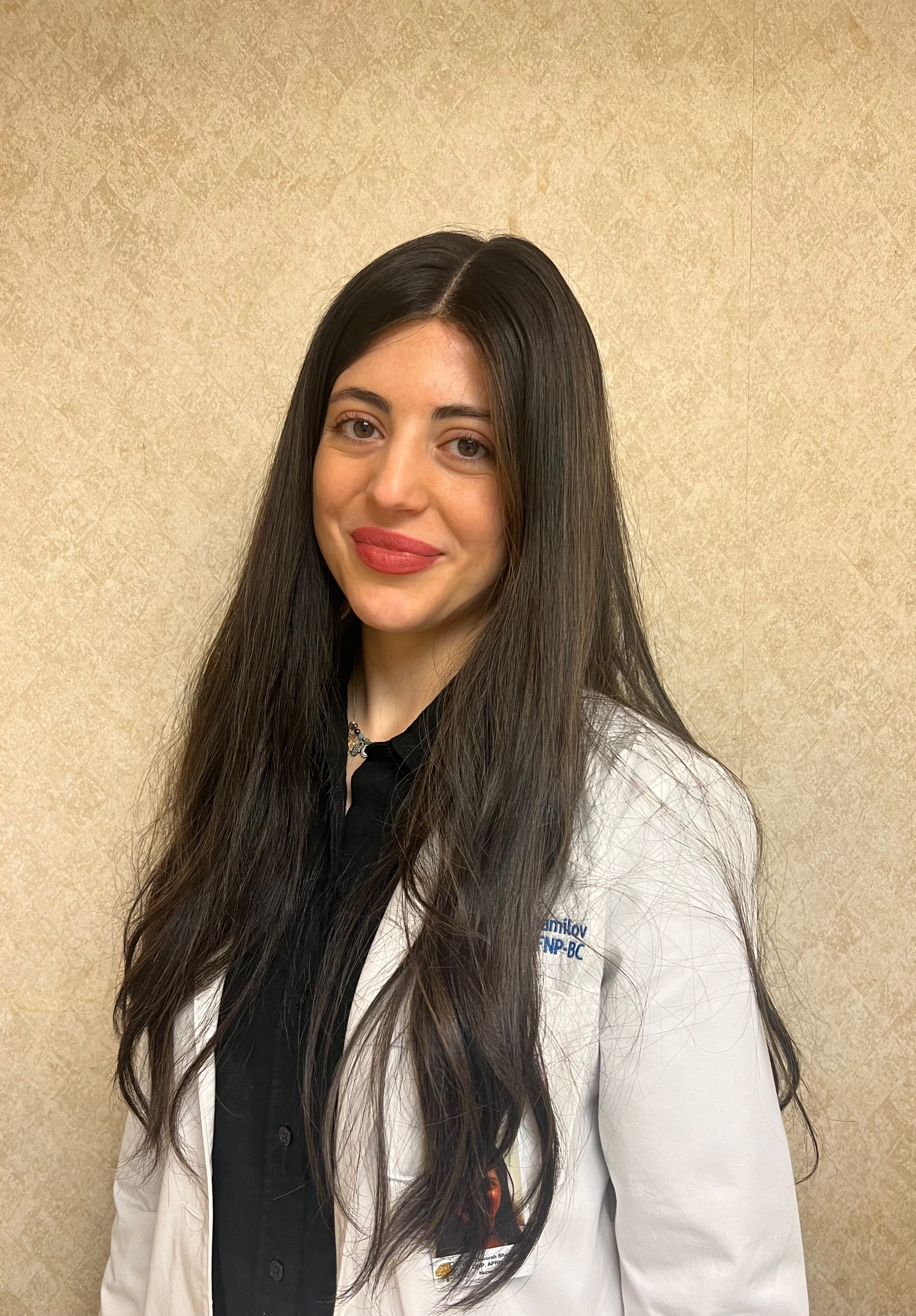
Devorah, DNP, APRN, FNP-BC
Board-Certified Nurse Practitioner · Bee the NP
What is NAD+ and what does it do?
Nicotinamide adenine dinucleotide (NAD+) is a coenzyme found in every living cell. It exists in two forms: NAD+ (oxidized) and NADH (reduced), cycling between the two as it accepts and donates electrons in biochemical reactions. This cycling is fundamental to cellular respiration: the process by which your mitochondria convert nutrients into ATP, the energy currency your cells use for every function from muscle contraction to thought.
Beyond energy metabolism, NAD+ is required for the activation of sirtuins (SIRT1–SIRT7), a family of proteins sometimes called 'longevity proteins' for their role in regulating gene expression, inflammation, DNA repair, and metabolic adaptation. NAD+ also activates PARPs (poly ADP-ribose polymerases), enzymes that detect and repair DNA strand breaks. Without adequate NAD+, both sirtuin activity and DNA repair capacity decline. Both are directly linked to accelerated biological aging.
Why does NAD+ decline with age?
NAD+ levels decline by approximately 50% between ages 40 and 60 in most tissues studied, including muscle, liver, and brain. This decline happens for several interconnected reasons. First, NAD+ consumption increases with age as DNA damage accumulates: PARPs consume large amounts of NAD+ responding to oxidative stress and DNA breaks. Second, the enzymes that synthesize NAD+ from dietary precursors (tryptophan, niacin, NMN, NR) become less efficient with age. Third, CD38, a glycohydrolase enzyme that degrades NAD+, becomes more active with aging and inflammatory states.
The result is a state of NAD+ insufficiency that contributes to the hallmarks of aging: mitochondrial dysfunction, impaired DNA repair, chronic inflammation (sometimes called 'inflammaging'), metabolic dysregulation, and cognitive decline. Research from David Sinclair's lab at Harvard, Johan Auwerx's lab at EPFL, and others has established NAD+ restoration as one of the most promising targets in longevity medicine.
How can you raise NAD+ levels?
There are several approaches to raising NAD+ levels. Oral precursors, nicotinamide riboside (NR) and nicotinamide mononucleotide (NMN), have been shown in clinical studies to raise NAD+ levels in blood and some tissues when taken orally. However, oral bioavailability is limited by GI absorption and first-pass metabolism in the liver. Many patients do not achieve the tissue-level NAD+ increases seen in animal models from oral supplementation alone.
NAD+ intravenous infusions achieve the most direct systemic delivery but require a lengthy session (2–4 hours) and are associated with a flushing sensation during administration. NAD+ intramuscular (IM) injections offer a practical middle ground: they bypass GI absorption, achieve rapid systemic distribution through the muscle's blood supply, and take under 5 minutes to administer. The dose is lower than IV protocols, but for maintenance, performance enhancement, and anti-aging purposes, IM injections are well-tolerated and effective.
What does a NAD+ IM shot actually feel like?
NAD+ IM shots are administered quickly, typically into the deltoid muscle, using a standard injection needle. Most patients feel a brief pinch at the injection site, similar to any other IM injection. Unlike IV NAD+ infusions (which can cause a flushing, warm sensation during administration), IM shots are generally very well tolerated with minimal immediate side effects. Some patients notice mild soreness at the injection site for 24 hours.
Effects vary by individual, dose, and baseline NAD+ status. Many patients describe increased mental clarity, better energy throughout the day, and improved exercise performance in the days following a session. Some notice improved sleep quality. The effects are subtle compared to stimulants: more like a restoration of normal cellular function than an acute energy spike. Patients with more significant NAD+ depletion (older adults, those with chronic illness, heavy drinkers) often report more pronounced effects.
Who benefits most from NAD+ therapy?
Adults over 40 are the most common beneficiaries of NAD+ therapy, given the natural age-related decline in NAD+ levels. Athletes and those with demanding physical and cognitive schedules often use NAD+ to support recovery and performance. Those experiencing burnout, chronic fatigue, or brain fog (conditions associated with mitochondrial insufficiency) frequently report meaningful improvement. People using NAD+ as part of a longevity protocol, alongside caloric restriction, exercise, and other evidence-based interventions, round out the primary user group.
NAD+ IM shots pair naturally with other IV and IM wellness therapies. Glutathione (the body's master antioxidant) complements NAD+ by reducing the oxidative stress that consumes it. B12 and B complex shots support the methylation pathways that regenerate NAD+ precursors. Devorah often recommends combinations tailored to your specific goals.
Key takeaways
- NAD+ is essential for cellular energy production, DNA repair, and sirtuin activation
- NAD+ declines by ~50% between ages 40–60, contributing to fatigue, cognitive decline, and aging
- IM shots offer rapid, practical NAD+ delivery without a lengthy IV session
- Effects include improved energy, mental clarity, exercise performance, and recovery
- NAD+ works best as part of a broader wellness strategy; it's not a standalone magic bullet
- Devorah offers NAD+ IM shots that can be combined with glutathione, B12, and other nutrients
Talk to Devorah
Free 15-minute discovery consult. No obligation, just real answers to your questions.
Book free consultRelated services
Free consultation
Ready to take the next step?
Book a free 15-minute discovery consult with Devorah and get a personalized plan, not a generic recommendation.