Ozempic Face: What Causes Facial Volume Loss on GLP-1s and What Helps
The term 'Ozempic face' emerged as GLP-1 medications became mainstream, and it describes something real. Rapid or significant weight loss on semaglutide or tirzepatide can cause the face to look gaunt, hollowed, or older than before treatment. For many patients who are thrilled with their body weight results, this is an unexpected and distressing side effect. The good news: it is well understood, largely preventable with the right approach, and very treatable with modern aesthetic medicine.
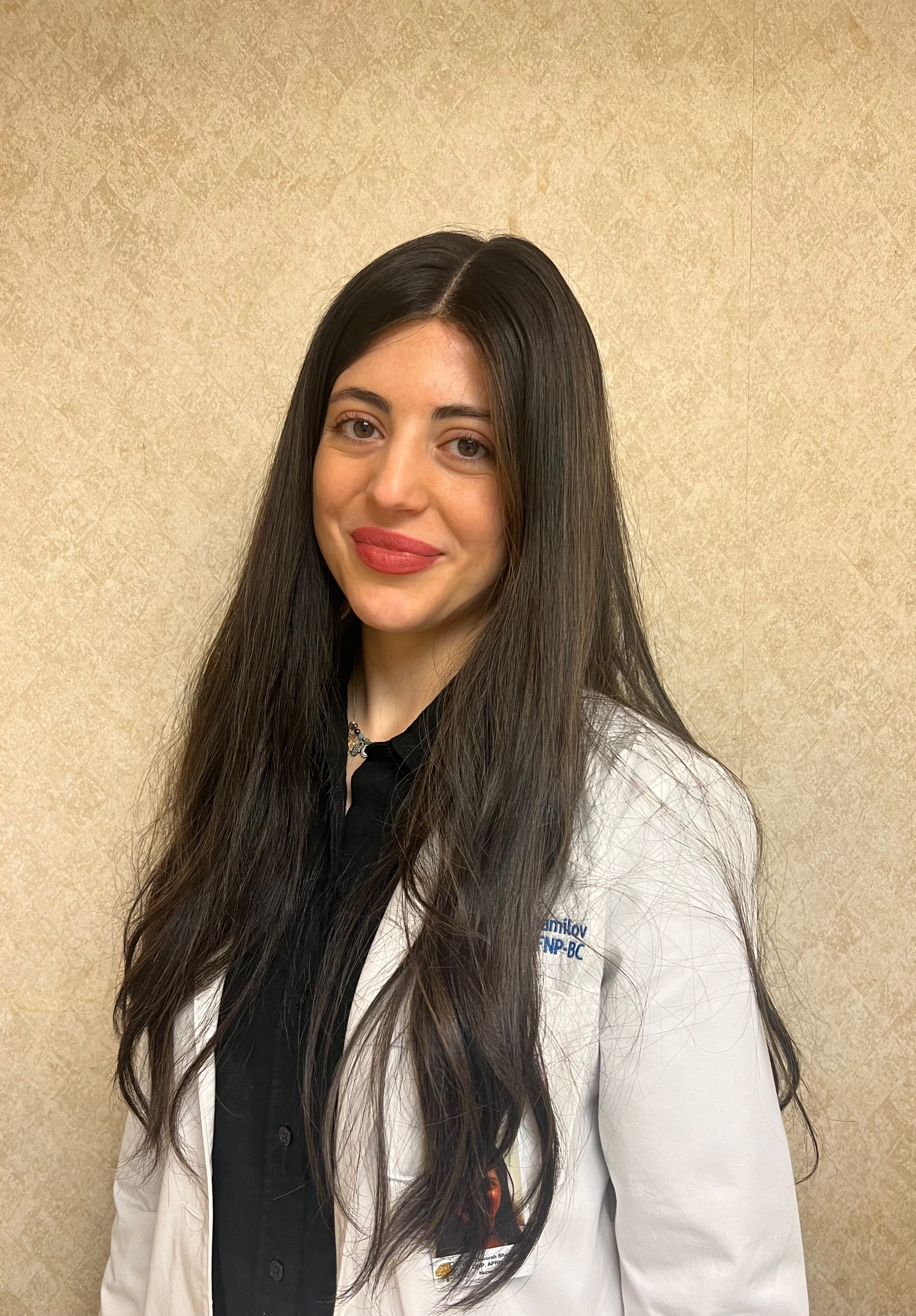
Devorah, DNP, APRN, FNP-BC
Board-Certified Nurse Practitioner · Bee the NP
What is 'Ozempic face' and why does it happen?
Ozempic face is the informal term for facial volume loss and hollowing that some patients experience during or after significant weight loss on GLP-1 medications. The face, particularly the cheeks, temples, under-eyes, and jawline, loses fat and soft tissue volume, which can make someone look drawn, tired, or significantly older despite weighing less than they have in years.
The cause is not specific to GLP-1 medications. It is a consequence of rapid or significant weight loss by any mechanism. Fat loss from the face is not proportionate or controllable: the body draws on fat stores from wherever it chooses, and facial fat, which gives the face its youthful, lifted contour, is often among the first to go. GLP-1 medications accelerate this process because they produce meaningful weight loss relatively quickly. A 15–22% reduction in body weight over 12–18 months is unprecedented for a medication, and the face reflects that.
Why the face ages when weight is lost rapidly
The youthful face is characterized by specific fat compartments that create lift, volume, and contour: the malar fat pad (cheeks), the submalar fat, the temporal fat pad, and buccal fat. As we age, these compartments descend and deflate, contributing to the hollowed cheeks, nasolabial folds, and jowling that mark the aging face. Rapid weight loss mimics and accelerates this process.
Additionally, significant weight loss is often accompanied by some degree of muscle loss (particularly without adequate protein and resistance training), and the skin may not contract fully to match the reduced volume beneath it, leading to skin laxity that compounds the gaunt appearance. The result can be someone who looks significantly older in their face while achieving their body composition goals: a frustrating trade-off that Devorah addresses directly in GLP-1 program planning.
Who is most at risk for Ozempic face?
Patients most vulnerable to visible facial volume loss on GLP-1 therapy tend to share several characteristics. Age is a significant factor: patients over 40 have already experienced some natural facial fat compartment depletion, leaving less reserve before hollowing becomes apparent. Starting weight matters too: patients with higher starting BMIs lose more total weight and may experience more pronounced facial changes, while patients losing a smaller total percentage of body weight often see minimal facial impact.
Rate of loss matters as much as total loss. Patients who lose weight slowly and steadily, through careful titration and intentional protein intake, tend to experience less dramatic facial changes than those who lose rapidly at higher doses. Genetics and baseline facial fat distribution also play a role: some patients simply carry more of their fat in facial compartments and will experience more visible loss.
Prevention: what to do before and during GLP-1 treatment
The single most impactful preventive strategy is adequate protein intake. Protein spares muscle mass and slows the rate of fat loss from structural compartments including the face. A target of 1.0–1.2g per pound of lean body mass, prioritized consistently throughout the program, is the standard recommendation in Devorah's GLP-1 protocols. Patients who hit their protein targets consistently tend to lose more fat relative to muscle, and experience better facial outcomes.
Resistance training is the complementary intervention: it preserves and builds muscle mass, which maintains the overall structural support of the face and body. Even 2–3 sessions per week of moderate weight training significantly improves body composition outcomes on GLP-1 therapy.
Slowing the titration when weight loss is occurring very rapidly, rather than pushing to the maximum dose as quickly as possible, gives the skin and soft tissue time to adapt. Devorah individualizes titration based on your response, goals, and tolerance, with facial appearance as one factor in the conversation.
Treatment: what actually restores facial volume
For patients who have already experienced facial volume loss on GLP-1 therapy, modern aesthetic medicine offers effective, natural-looking restoration options. Hyaluronic acid dermal fillers are the most common and versatile tool: placed in the cheeks, temples, under-eye hollow (tear trough), and along the jawline, they restore the lost volume compartments and lift the face in a way that looks natural, not overfilled or artificial, when done by an experienced injector.
PRP (platelet-rich plasma), particularly combined with microneedling, stimulates collagen production and skin quality, addressing the skin laxity component of Ozempic face. For patients whose primary concern is skin texture, crepiness, and loss of elasticity rather than volume deficit, PRP is often the better first intervention. Many patients benefit from a combination approach: filler for volume, PRP for skin quality.
The timing of aesthetic treatment matters. Devorah generally recommends waiting until the patient is at or near their goal weight before doing significant volume restoration. Filling a face that will continue to lose volume is both wasteful and can produce unpredictable results as the underlying tissue continues to change.
Having the conversation: GLP-1 and aesthetics together
One of the distinct advantages of working with Devorah is that she manages both your GLP-1 program and your aesthetic concerns as the same provider. She can see the full picture: your rate of weight loss, your body composition trajectory, your facial changes, and your aesthetic goals, and make recommendations that account for all of them simultaneously.
This integration is rare. Most weight loss clinics have no aesthetic expertise; most aesthetic providers know nothing about GLP-1 pharmacology. Patients who want to achieve meaningful weight loss without sacrificing a natural, healthy facial appearance benefit most from a provider who understands both sides of that equation. Devorah plans for this proactively, not reactively, as part of every GLP-1 program.
Key takeaways
- 'Ozempic face' is facial volume loss from rapid weight loss, not a medication-specific side effect
- Facial fat compartments (cheeks, temples, under-eyes) are often among the first areas to deplete with weight loss
- Adequate protein (1.0–1.2g/lb lean mass) and resistance training are the most effective preventive strategies
- Dermal fillers restore lost volume compartments; PRP addresses skin laxity and quality
- Timing matters: wait until near goal weight before significant volume restoration
- Devorah manages GLP-1 and aesthetic concerns together, planning proactively for facial outcomes
Talk to Devorah
Free 15-minute discovery consult. No obligation, just real answers to your questions.
Book free consultRelated services
Free consultation
Ready to take the next step?
Book a free 15-minute discovery consult with Devorah and get a personalized plan, not a generic recommendation.