PHYSIQ 360 Body Contouring: What to Expect Before and After Treatment
PHYSIQ 360 is often described as a way to sculpt muscle and reduce stubborn fat without surgery. That description is directionally true, but it leaves out the details patients need to make a good decision. The treatment is not a substitute for weight loss, it is not a one-visit transformation, and it works best when the goal is specific. Here is what Devorah discusses with New York patients before building a PHYSIQ 360 plan.
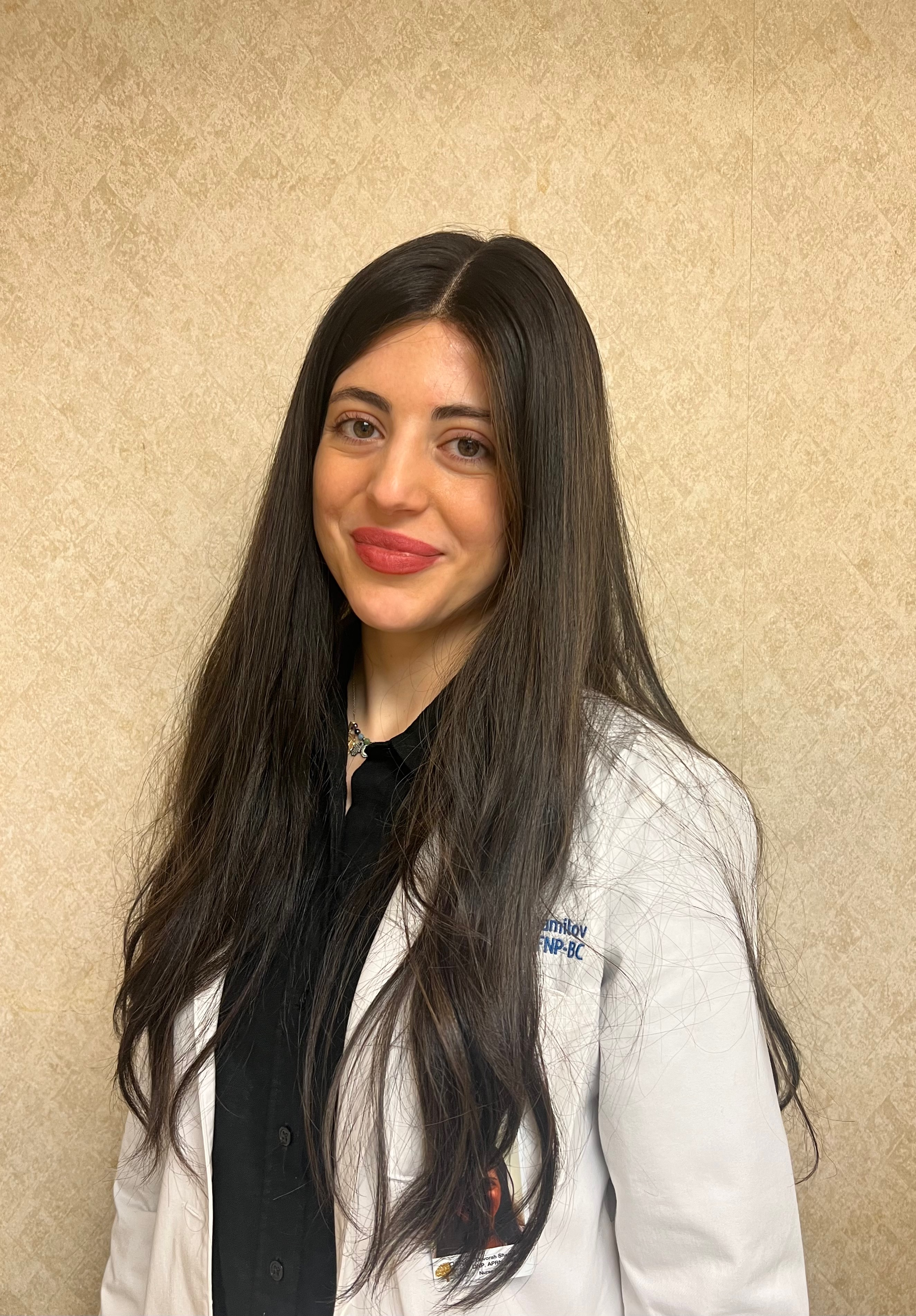
Devorah, DNP, APRN, FNP-BC
Board-Certified Nurse Practitioner · Bee the NP
What PHYSIQ 360 is designed to do
PHYSIQ 360 is a noninvasive body-contouring platform that pairs electrical muscle stimulation with controlled tissue heating. The muscle-stimulation component creates repeated contractions beyond what most people can voluntarily produce in a workout. The heating component is intended to support localized fat reduction in the treated area. Depending on the applicator and plan, common goals include more definition in the abdomen, flanks, buttocks, thighs, arms, or other areas where a patient wants refinement rather than a major size change.
It does not remove large amounts of weight or replace treatment for obesity. Think of it as a contouring tool for an area that feels out of proportion with the rest of the body, or for someone who wants more muscle definition while continuing their nutrition and movement routine. A consultation should start with the actual concern: fat, muscle tone, loose skin, posture, weight fluctuation, or a combination. Those concerns do not all call for the same treatment.
Who tends to be a good candidate
The best candidates are generally near a stable weight and already have a foundation of nutrition and movement. They may be frustrated by a small area that has not changed in proportion to the rest of their body, or they may want help improving visible muscle definition. Stable weight matters because a major gain or loss after treatment can change the result.
PHYSIQ 360 is not automatically the right choice for every body concern. Significant skin laxity, a large volume of excess fat, an untreated hernia, or a goal that is primarily scale-related may need a different medical or surgical conversation. Devorah reviews health history, prior procedures, current medications, pregnancy status, implanted electronic devices, and the treatment area before deciding whether to proceed. Patients should never withhold a device, metal implant, recent procedure, or new symptom just because the treatment is noninvasive.
What a session feels like
During the session, applicators are positioned over the selected area. Patients typically feel a combination of strong, rhythmic muscle contractions and gradual warmth. The sensation should be intense enough to be noticeable, but it should remain tolerable. Devorah adjusts settings based on comfort, anatomy, and response rather than pushing every patient to the same level.
There are no needles or incisions, and patients usually return to normal activity afterward. It is common to feel temporary muscle soreness, similar to a focused workout, and some people notice short-lived warmth, redness, or tenderness in the treated area. Severe pain, blistering, prolonged swelling, or a reaction that feels unusual is not something to ignore. Contact the treating provider promptly rather than waiting for the next session.
How many sessions are usually needed
A single session is rarely the whole plan. Body-contouring technologies are typically delivered as a series, with the number and spacing determined by the area, starting point, treatment goal, and how the body responds. Devorah will outline the recommended series before treatment and reassess rather than promising a guaranteed number on a menu.
Photos and measurements can make progress easier to judge because change is gradual and day-to-day body fluctuations can be misleading. It is also useful to choose one or two practical markers before starting, such as how a waistband fits, how abdominal definition looks in the same lighting, or whether a specific area feels stronger during training. A clear baseline prevents the treatment from being judged by a vague expectation of looking like a different person.
When results appear and how long they last
Muscle engagement may feel immediate, but visible contour changes take time. The body needs time to respond to repeated muscle stimulation and to process the changes associated with tissue heating. Some patients begin to notice a difference over several weeks, while fuller results may take longer and vary by area. Product marketing images and another person's timeline are not a reliable prediction for an individual result.
Results are easier to maintain when body weight, resistance training, protein intake, sleep, and overall activity remain consistent. PHYSIQ 360 does not make someone immune to future fat gain, and it does not permanently replace muscle work. For patients using a GLP-1 medication, preserving lean mass through adequate protein and resistance training is especially important. The contouring plan should support the broader health plan, not distract from it.
PHYSIQ 360 after GLP-1 weight loss
After meaningful weight loss, it is normal to notice body-composition changes that the scale does not explain. Some people feel less muscular, see a new area of looseness, or want to refine a stable contour. PHYSIQ 360 may be part of the conversation once weight is stable and nutrition is adequate, but it is not a fix for the effects of rapid weight loss or inadequate protein intake.
Devorah looks first at the basics: rate of weight loss, protein intake, strength training, symptoms, medications, and whether there is enough time at the new weight to understand what has actually stabilized. If the main issue is loose skin, ongoing weight loss, or generalized muscle loss, setting the right expectation is more valuable than rushing into a treatment. A careful plan can include body contouring, a GLP-1 adjustment, nutrition support, or simply more time.
Questions to ask before committing
Before starting, ask what concern the treatment is meant to address, how many sessions are recommended, what a realistic change would look like for your starting point, and how progress will be measured. Also ask about alternatives. A provider who can explain why PHYSIQ 360 is a better fit than exercise programming alone, a different body-contouring modality, or waiting for weight stability is helping you make an informed choice.
At Bee the NP, the goal is not to sell every available technology to every patient. Devorah uses the consultation to match the treatment to the body concern, medical context, and timeline. For New York patients, that may mean proceeding with PHYSIQ 360, building the basics first, or deciding that another option makes more sense.
Key takeaways
- PHYSIQ 360 combines muscle stimulation and controlled tissue heating for noninvasive body contouring
- It is best for localized refinement and muscle definition, not major weight loss or loose-skin correction
- A series of sessions and a stable baseline help set realistic expectations
- Most people return to normal activity right away, with temporary muscle soreness or redness possible
- Visible changes develop gradually and are supported by consistent nutrition, activity, and weight stability
- After GLP-1 weight loss, body contouring should fit a plan that protects lean mass and addresses the actual concern
Talk to Devorah
Free 15-minute discovery consult. No obligation, just real answers to your questions.
Book free consultRelated guides
Free consultation
Ready to take the next step?
Book a free 15-minute discovery consult with Devorah and get a personalized plan, not a generic recommendation.