Skin Cycling After Aesthetic Treatments: When to Restart Retinoids, Acids, and Vitamin C
Skin cycling can be helpful, but the schedule that works on a normal week may be too aggressive after Botox, microneedling, PRP, facials, laser treatments, or a barrier flare. The goal is not to restart every active as fast as possible. The goal is to bring back retinoids, acids, vitamin C, and acne treatments in a way the skin can actually tolerate. Here is how Devorah thinks through timing for New York patients who want results without creating irritation.
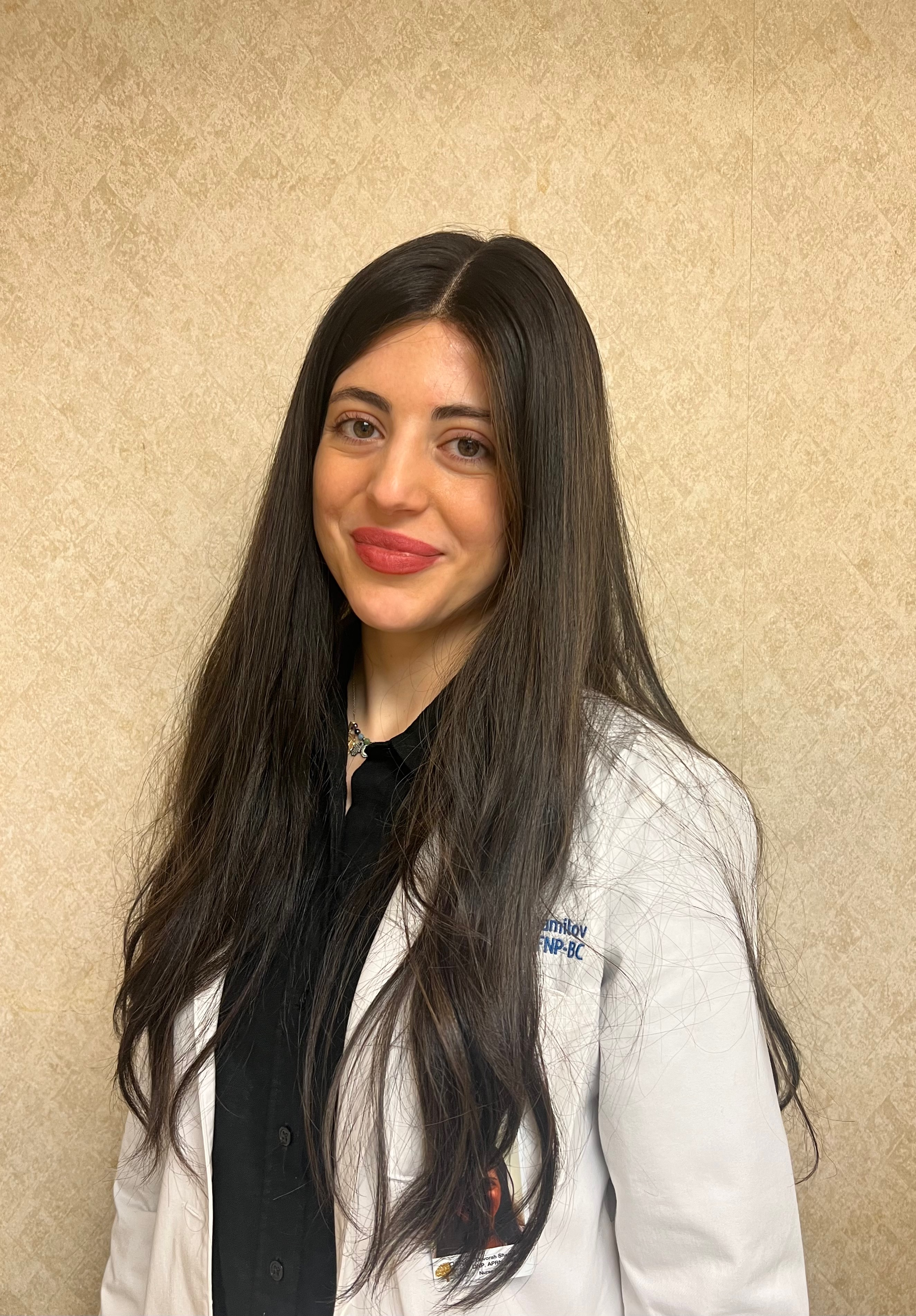
Devorah, DNP, APRN, FNP-BC
Board-Certified Nurse Practitioner · Bee the NP
What skin cycling means
Skin cycling is a structured way to rotate active ingredients instead of using everything every night. A common version uses an exfoliation night, a retinoid night, and one or two recovery nights. For many patients, that rhythm reduces irritation while still supporting texture, pores, pigmentation, acne control, and collagen signaling.
The problem is that aesthetic treatments temporarily change what the skin can tolerate. Microneedling opens microchannels. Lasers create controlled thermal injury. Facials may include massage, extractions, masks, or exfoliation. Even Botox, which does not disrupt the barrier the same way, involves fresh injection sites and a short window where pressure and irritation should be minimized. A good skin cycling plan has to flex around those realities.
The first rule after treatment: bland is clinical
Patients often feel tempted to protect their results by adding more products after a treatment. In the first recovery window, less is usually safer. Gentle cleanser, bland moisturizer, and sunscreen are not boring placeholders. They are the clinical foundation that lets treated skin repair itself.
A bland routine is especially important for patients who already have redness, rosacea, acne flares, peeling, or a history of post-inflammatory hyperpigmentation. If moisturizer stings or sunscreen burns, the answer is not to add a stronger active. It is to slow down, calm the skin, and restart only after basic products feel comfortable again.
After Botox: keep actives reasonable
Botox does not require a long skincare shutdown for most patients, but the first day should be gentle. Avoid rubbing, facial massage, exfoliating devices, sauna, hot yoga, and aggressive skincare around injection sites. Many patients can use a mild cleanser and moisturizer the same evening and resume familiar, non-irritating products the next day.
Retinoids, acids, benzoyl peroxide, and strong vitamin C can usually return once the skin is calm and there is no unusual redness or irritation. Patients with sensitive or rosacea-prone skin may benefit from waiting a few extra days. Facials, brow work, lash treatments, and massage-based treatments are typically better before Botox or about two weeks after Botox, when the result has settled.
After microneedling or PRP: wait for the barrier
Microneedling and PRP create a controlled healing response. That is the point of the treatment, but it also means active ingredients need a real pause. Retinoids, exfoliating acids, vitamin C, benzoyl peroxide, scrubs, and fragranced products are usually held before and after treatment according to the plan Devorah gives you.
A practical restart point is when redness has settled, tightness is improving, flaking is minimal, and basic products do not sting. For some patients that may be about five to seven days. For sensitive skin, deeper treatments, acne-prone skin, or rosacea-prone skin, it can take longer. Restart one active at a time. If the skin burns, flushes, or flakes sharply, the barrier is not ready.
After facials: match the restart to the facial
Not all facials require the same reset. A calming Repechage Red Out or Four Layer Seaweed facial may need only a short quiet period, especially if the skin leaves hydrated and calm. A clarifying facial with extractions, stronger exfoliation, or acne-focused products may require a longer pause before acids or retinoids return.
Devorah looks at what was actually done, not just the word facial. Massage matters after Botox. Extractions matter for acne-prone skin. Exfoliation matters for barrier timing. If a facial was chosen specifically because the skin was irritated, the home routine should support that decision instead of immediately returning to the products that may have caused the irritation.
After lasers or resurfacing: do not freelance the active schedule
Laser and energy-based treatments vary widely. Hair removal, vascular or pigment-focused laser, noninvasive body contouring, CoolPeel, and fractional CO2 resurfacing all create different recovery needs. A light laser session may need only a brief active pause, while resurfacing requires a more careful healing plan.
This is the area where patients should avoid guessing. Retinoids and acids too soon after resurfacing can intensify burning, redness, peeling, and pigmentation risk. Vitamin C may also sting until the barrier is ready. Devorah's restart timing depends on treatment depth, skin type, sun exposure, pigmentation risk, and how the skin looks at follow-up.
A practical restart order
When the skin is ready, bring products back in a sequence. Start with the least irritating support products: gentle hydrating serum, moisturizer, and sunscreen. Then consider vitamin C if the skin tolerates it. Retinoids usually come back at low frequency, often one night per week at first. Exfoliating acids should be last for many patients, especially if the skin recently peeled or felt raw.
Avoid restarting multiple actives on the same night. If you add retinoid, acid, and vitamin C together, you will not know which product caused a reaction. A slower restart gives clearer information. It also protects the investment you made in the procedure by letting collagen stimulation, pigment correction, or barrier repair happen without preventable irritation.
How to build a treatment-aware skin cycling week
A treatment-aware skin cycling plan has normal weeks and recovery weeks. On a normal week, the patient may rotate exfoliation, retinoid, and recovery nights. In the week before a procedure, Devorah may pause irritating actives so the skin arrives calm. In the week after a procedure, recovery nights become the whole plan until the skin is ready.
For patients who combine Botox, facials, microneedling, PRP, lasers, acne care, or GLP-1-related skin changes, this kind of planning prevents the common cycle of over-treating, flaring, repairing, and starting over. The best routine is not the most intense routine. It is the one that keeps the skin stable enough to keep making progress.
When to ask for help before restarting
Ask for guidance if redness is worsening instead of improving, if the skin burns with water, if swelling develops, if there is crusting or drainage, if pigmentation appears darker after treatment, or if acne suddenly flares in a pattern that feels unusual. Patients with rosacea, melasma, eczema, a history of keloids, or recent isotretinoin use need more individualized timing.
Devorah helps patients in New York State decide when the skin is ready, which active belongs first, and which product may need to stay out of the routine longer. That clinical sequencing matters. It lets the skin benefit from aesthetic treatment without turning home care into another source of inflammation.
Key takeaways
- Skin cycling should change after Botox, microneedling, PRP, facials, lasers, or barrier irritation
- The first recovery window should usually be gentle cleanser, moisturizer, and sunscreen
- Most Botox patients can restart familiar actives quickly, but massage and pressure-based treatments need more timing
- Microneedling, PRP, and resurfacing require a longer pause before retinoids, acids, vitamin C, and acne actives
- Restart one active at a time so irritation can be traced clearly
- Devorah builds treatment-aware skincare plans for New York patients who want progress without over-treating
Talk to Devorah
Free 15-minute discovery consult. No obligation, just real answers to your questions.
Book free consultRelated guides
Free consultation
Ready to take the next step?
Book a free 15-minute discovery consult with Devorah and get a personalized plan, not a generic recommendation.