Rosacea-Safe Aesthetic Treatments: What to Choose, What to Avoid, and How to Plan
Rosacea-prone skin can absolutely benefit from aesthetic care, but it needs a different kind of planning. The question is rarely whether a treatment is trendy. The better question is whether your skin is calm enough, whether the barrier is stable, and whether the treatment supports redness control instead of provoking another flare. Here is how Devorah thinks through facials, Botox, microneedling, laser timing, skincare actives, and recovery for New York patients with redness-prone skin.
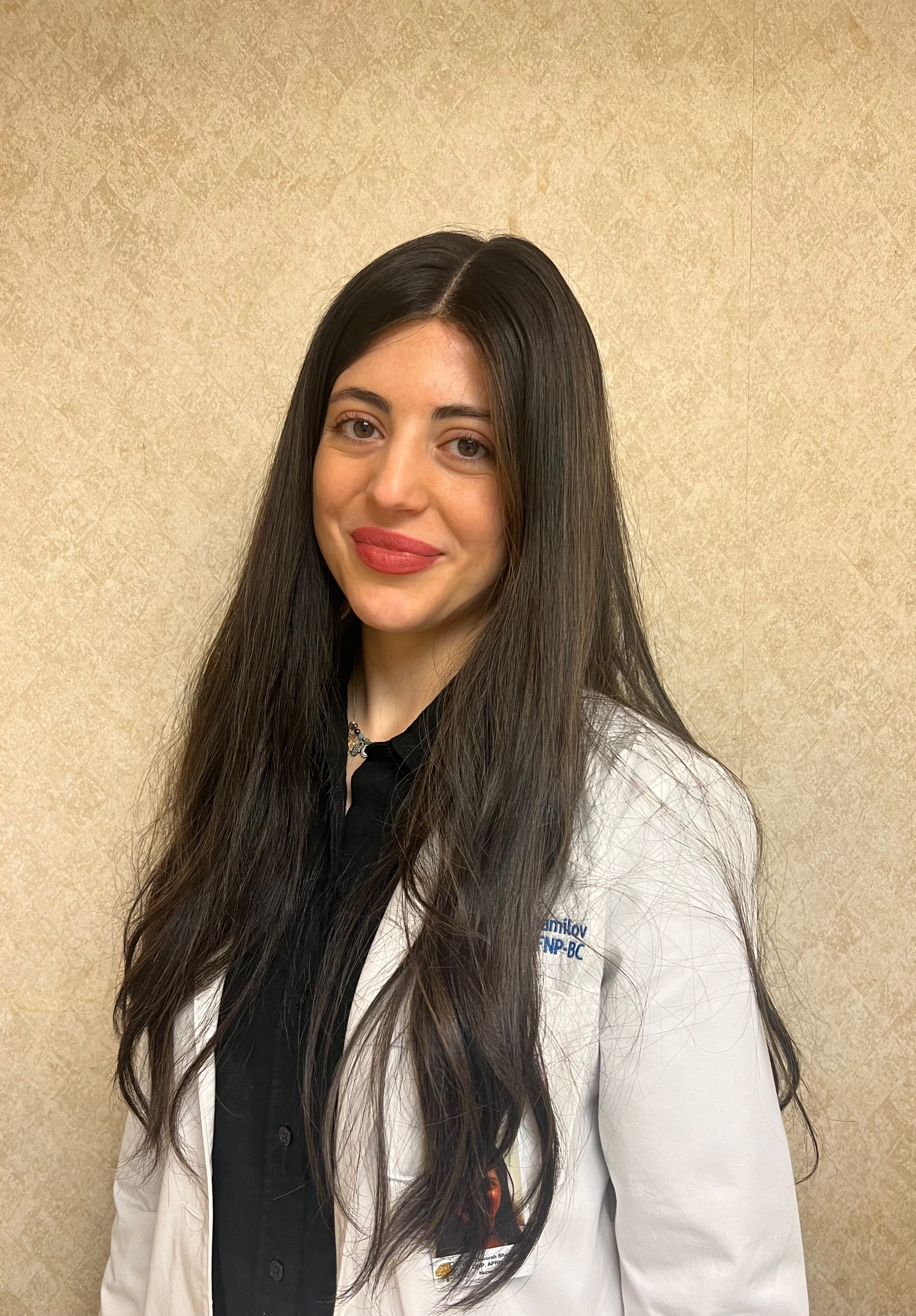
Devorah, DNP, APRN, FNP-BC
Board-Certified Nurse Practitioner · Bee the NP
First, make sure it is really rosacea
Rosacea is a chronic inflammatory skin condition that can cause flushing, persistent redness, visible blood vessels, bumps that look acne-like, burning, stinging, skin thickening, and sometimes eye irritation. It can overlap with acne, dermatitis, allergy, perioral dermatitis, sun damage, or an irritated skin barrier, which is why guessing from redness alone can lead to the wrong plan.
Before building an aesthetic treatment schedule, Devorah looks at the pattern: what triggers flushing, how long redness lasts, whether there are bumps or pustules, whether the eyes feel gritty or irritated, what products sting, and whether prescription rosacea therapy is already part of care. Aesthetic treatments should not replace medical treatment when rosacea is active. They should be sequenced around it.
What usually triggers rosacea flares
Common triggers include heat, sun exposure, alcohol, spicy foods, hot drinks, stress, intense exercise, wind, cold weather, steam, fragrance, harsh exfoliation, and strong skincare actives. Not every patient has the same triggers. One person may flare after red wine and hot yoga, while another mainly reacts to winter wind and a strong vitamin C serum.
This matters because an aesthetic plan is only as safe as the recovery environment around it. A gentle facial can still backfire if it is followed by sauna use, aggressive home exfoliation, or a beach weekend without sunscreen. Rosacea care is often less about one dramatic intervention and more about removing the repeated irritants that keep the skin reactive.
Build the skin barrier before chasing correction
Rosacea-prone skin often has a sensitive barrier, even when it looks oily or congested. If basic moisturizer stings, cleansing leaves tightness, or redness stays bright for hours after a normal routine, the skin is not ready for aggressive correction. Devorah usually starts by simplifying: gentle cleanser, barrier-supportive moisturizer, and daily sunscreen.
Retinoids, exfoliating acids, scrubs, peel pads, benzoyl peroxide, strong vitamin C, fragranced products, and hot water may need to pause during a flare or before a procedure. That does not mean active ingredients are never allowed. It means they have to earn their way back slowly, one at a time, after the skin can tolerate basic care without burning.
The safest facial starting point
For many rosacea-prone patients, the best first aesthetic treatment is a calming, low-downtime facial rather than a corrective peel or aggressive resurfacing session. Repechage Red Out is often the gentler fit when the main issues are redness, flushing, sensitivity, and visible reactivity. Four Layer Seaweed may be useful when the skin is dry, dull, or depleted but still needs a barrier-respecting approach.
Hydramedic can be helpful for congestion, but Devorah is careful with oily skin that is also inflamed. Stripping the skin to clear pores can make redness worse. The goal is not to prove a treatment was strong. The goal is to leave the skin calmer, better hydrated, and more predictable for whatever comes next.
Botox and rosacea: usually compatible, but timing matters
Botox does not treat rosacea, but it can often be done safely for patients who also have rosacea-prone skin. The injection itself is brief and does not injure the barrier the way microneedling or a peel does. The bigger issues are flushing, bruising tendency, product sensitivity after treatment, and whether the skin is already irritated on the day of the visit.
Devorah usually keeps post-Botox care simple for redness-prone patients: avoid rubbing, facial massage, strenuous heat-heavy workouts the same day, and strong actives around fresh injection sites. If a patient wants both Botox and a facial, she often sequences the calming facial before Botox or waits about two weeks after Botox for massage-based facial work.
Microneedling and PRP require more caution
Microneedling and PRP can support collagen, texture, acne scarring, and overall skin quality, but they create controlled micro-injury. For rosacea-prone skin, that means the baseline matters. If the skin is actively flushing, burning, or flaring, needling can be more uncomfortable and recovery can be less predictable.
That does not mean rosacea automatically rules out microneedling. It means Devorah wants the skin quiet first, with actives paused according to the plan and aftercare kept bland. Patients with persistent redness, frequent flares, or eye symptoms may need medical rosacea management before collagen-stimulating procedures are considered.
Lasers and light-based treatments can help redness, but they are not casual treatments
Vascular lasers and intense pulsed light are commonly used in dermatology to reduce visible redness and broken capillaries associated with rosacea. The right device, settings, skin type, sun history, and timing matter. Laser hair removal, pigment treatments, resurfacing lasers, and vascular-focused treatments are not interchangeable just because they all involve energy.
At Bee the NP, laser planning starts with what the redness actually is: flushing, visible vessels, post-inflammatory color, pigmentation, or irritation. Patients need strict sun protection, realistic expectations, and spacing from other irritating treatments. For rosacea-prone skin, a conservative first session is often wiser than trying to force a dramatic result in one appointment.
What to avoid before a rosacea-safe treatment
In the week before an aesthetic visit, rosacea-prone patients are usually better off avoiding new products, exfoliating acids, retinoids if they are irritating, scrubs, waxing on the treatment area, tanning, sunburn, steam rooms, and heat-heavy events. If the skin flares right before an appointment, it may be smarter to switch to a calming facial, shorten the treatment, or reschedule.
This is also when medication and supplement review matters. Blood thinners, frequent NSAID use, fish oil, high-dose vitamin E, recent antibiotics, isotretinoin history, and photosensitizing medications can affect procedure planning. Patients should not stop prescribed medication without medical guidance, but Devorah needs to know what is in the picture.
Aftercare: boring is the point
After a rosacea-safe treatment, the best routine is usually gentle cleansing, moisturizer, and sunscreen. Skip exfoliation, retinoids, fragrance, hot water, steam, sauna, and intense workouts for the window Devorah recommends based on the treatment. Mineral sunscreen is often better tolerated by reactive skin, though consistency matters more than a perfect label.
Watch for warning signs: worsening burning, swelling, crusting, eye irritation, spreading rash, or redness that feels different from the usual flare pattern. Mild pinkness after a facial or injection can be normal. A prolonged, painful, or unusual reaction deserves provider guidance.
How Devorah builds a rosacea-safe plan
Devorah starts with skin behavior, not a menu. She asks what the skin does on a normal week, what triggers flares, what products sting, what treatments helped or hurt before, and what result the patient actually wants. From there, she may recommend barrier repair, a Repechage Red Out facial, careful Botox timing, conservative laser planning, or delaying microneedling until the skin is steadier.
For New York patients, the advantage of a one-provider model is continuity. The same provider can connect rosacea, skincare, Botox timing, facials, laser tolerance, medications, hormones, GLP-1 nutrition changes, and event deadlines. That is how aesthetics becomes safer: fewer random treatments, more clinical sequencing.
Key takeaways
- Rosacea-safe aesthetics starts with diagnosis, trigger awareness, barrier stability, and sunscreen
- Calming facials are often a better first step than peels or aggressive resurfacing
- Botox is usually compatible with rosacea-prone skin, but facial massage and heat-heavy activity still need timing
- Microneedling and PRP should wait until redness, burning, and barrier irritation are controlled
- Laser and light-based treatments can help visible redness, but device choice, settings, and sun protection matter
- Devorah sequences facials, Botox, laser planning, and home care around each patient's skin tolerance in New York State
Talk to Devorah
Free 15-minute discovery consult. No obligation, just real answers to your questions.
Book free consultFree consultation
Ready to take the next step?
Book a free 15-minute discovery consult with Devorah and get a personalized plan, not a generic recommendation.