Which Repechage Facial Is Right for Your Skin?
A facial should not be chosen from a menu at random. Oily, congested skin needs a different plan than reactive redness, dry barrier-compromised skin, or mature skin that feels dull and lax. Repechage facials give Devorah four professional protocols to match the treatment to your skin on the day you come in, not a generic facial that tries to do everything at once.
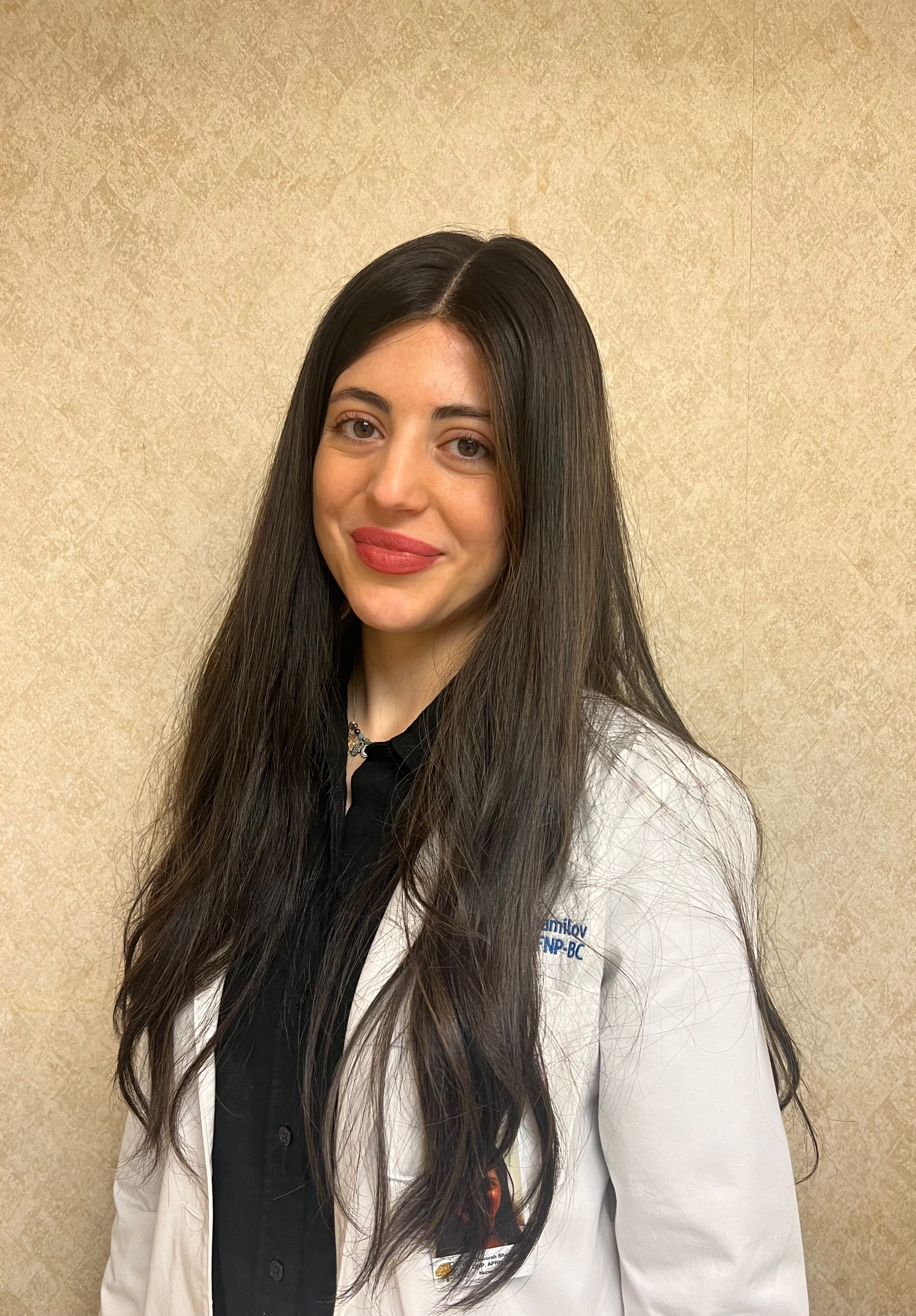
Devorah, DNP, APRN, FNP-BC
Board-Certified Nurse Practitioner · Bee the NP
What makes a Repechage facial different from a standard spa facial?
Repechage facials are structured professional treatment protocols built around seaweed, marine botanicals, targeted exfoliation, treatment masks, and finishing products. The difference is not simply that the products feel luxurious. The value is that each protocol has a clear clinical purpose: calming visible redness, clearing congestion, supporting hydration, improving surface texture, or giving the skin a firmer, brighter appearance before an event.
At Bee the NP, Devorah approaches facial selection the same way she approaches aesthetics and medical wellness: first assess what the skin is showing, then choose the least aggressive option that can reasonably move the concern forward. That matters because irritated skin does not need more stimulation just because a stronger treatment exists. Sometimes the best result comes from barrier repair, controlled exfoliation, and consistent maintenance rather than forcing the skin through downtime it did not need.
Hydramedic: best for oily, congested, and breakout-prone skin
Hydramedic is the Repechage protocol Devorah reaches for when the main concerns are oiliness, clogged pores, blackheads, congestion, and acne-prone skin. The goal is controlled clarification: cleanse thoroughly, loosen buildup, support extractions when appropriate, and calm the look of inflammation without stripping the skin barrier.
This is especially useful for patients who feel caught between breakouts and sensitivity. Over-drying acne-prone skin can trigger more irritation and rebound oil, while under-treating congestion leaves pores looking dull and uneven. Hydramedic is not a replacement for prescription acne care when acne is moderate, cystic, scarring, or hormonally driven. It is best viewed as a professional maintenance treatment that can support a broader acne plan, especially when paired with gentle home care and realistic expectations.
Red Out: best for redness, reactivity, and sensitive skin
Red Out is designed for skin that flushes easily, feels reactive, or tends to look visibly red after products, weather changes, stress, or heat. The priority is calming and barrier support. Instead of chasing a dramatic exfoliating result, the treatment focuses on soothing the skin, reducing the appearance of irritation, and helping the skin tolerate a more consistent routine.
Patients with rosacea-prone skin often need this restraint. Many common aesthetic treatments can be too stimulating when the barrier is already reactive, and even well-intentioned active ingredients can backfire. Red Out does not cure rosacea or replace medical treatment for persistent flushing, bumps, burning, or eye symptoms. But for the right patient, it can be a useful low-downtime facial option when the goal is calmer-looking skin and better tolerance over time.
Cryotherapy Facial: best for firming, pores, and event-ready brightness
The Repechage Cryotherapy Facial uses temperature contrast and marine-based treatment steps to create a firmer, tighter, brighter look. Patients often choose it when their skin feels tired, puffy, or less defined, or when they want a polished result before photos, an event, or a weekend where downtime is not an option.
The important expectation is that cryotherapy-style facials are surface-level and temporary compared with collagen-stimulating procedures. They can improve the look of tone, texture, and freshness, but they do not replace microneedling, PRP, Botox, or fillers when the underlying concern is deep collagen loss, muscle movement, or volume change. Devorah may recommend Cryotherapy as a maintenance facial between more corrective treatments or as a stand-alone refresh when a patient wants visible glow without recovery.
Four Layer Seaweed: best for dry, dull, and mature skin
The Four Layer Seaweed facial is Repechage's signature protocol and the most versatile choice for patients who are dry, dull, dehydrated, or noticing early signs of aging. The treatment layers seaweed-based formulas and mask steps to support hydration, softness, and a smoother-looking surface. It is often the best starting point when the skin does not need acne-focused clearing or redness-focused calming, but does need nourishment and renewal.
This protocol is also a strong option after periods that leave the skin depleted: travel, stress, winter dryness, GLP-1 weight loss with reduced intake, or an inconsistent home routine. It will not create the same structural change as microneedling or PRP, but it can make the skin look healthier and better hydrated while keeping the barrier intact.
How Devorah chooses when more than one facial could fit
Many patients do not fit neatly into one category. You may have acne and redness, dryness and congestion, or mature skin that is also sensitive. In those cases, Devorah prioritizes the most limiting factor first. If the barrier is reactive, she will usually calm the skin before doing a more clarifying treatment. If congestion is significant but the skin is not inflamed, Hydramedic may come first. If the goal is glow before an event and the skin is stable, Cryotherapy or Four Layer Seaweed may be the better choice.
This is where a one-provider model is helpful. Devorah can connect your skin with the rest of your health picture: GLP-1 nutrition changes, hormone shifts, stress, medications, acne history, rosacea triggers, recent Botox, or a microneedling schedule. The facial is not treated as an isolated beauty appointment. It is matched to what your skin can tolerate and what you are trying to accomplish.
How Repechage facials fit with Botox, microneedling, and PRP
Repechage facials can pair well with medical aesthetics, but timing matters. After Botox, facial massage and pressure should be avoided for about two weeks so the treatment can settle. Between microneedling or PRP sessions, a gentle facial can support hydration and barrier recovery, but aggressive exfoliation should be avoided too close to a collagen-stimulating treatment. Before an event, a no-downtime facial is often a better choice than starting something corrective at the last minute.
For patients on GLP-1 weight management, facials can also support skin quality while the body is changing. Weight loss can make dryness, dullness, and facial volume changes more noticeable. A facial will not replace volume restoration when volume loss is the issue, but it can help the skin surface look healthier while Devorah manages the larger plan around nutrition, pace of weight loss, PRP, Botox, or other aesthetic options.
Key takeaways
- Hydramedic is best for oily, congested, and breakout-prone skin
- Red Out is the gentler choice for redness-prone, reactive, or sensitive skin
- Cryotherapy is useful for firming, brightness, and event-ready glow without downtime
- Four Layer Seaweed is the most versatile option for dry, dull, dehydrated, or mature skin
- Facial selection should start with skin tolerance, not the strongest possible treatment
- Devorah times facials around Botox, microneedling, PRP, and GLP-1-related skin changes for New York patients
Talk to Devorah
Free 15-minute discovery consult. No obligation, just real answers to your questions.
Book free consultRelated services
Related guides
Free consultation
Ready to take the next step?
Book a free 15-minute discovery consult with Devorah and get a personalized plan, not a generic recommendation.